
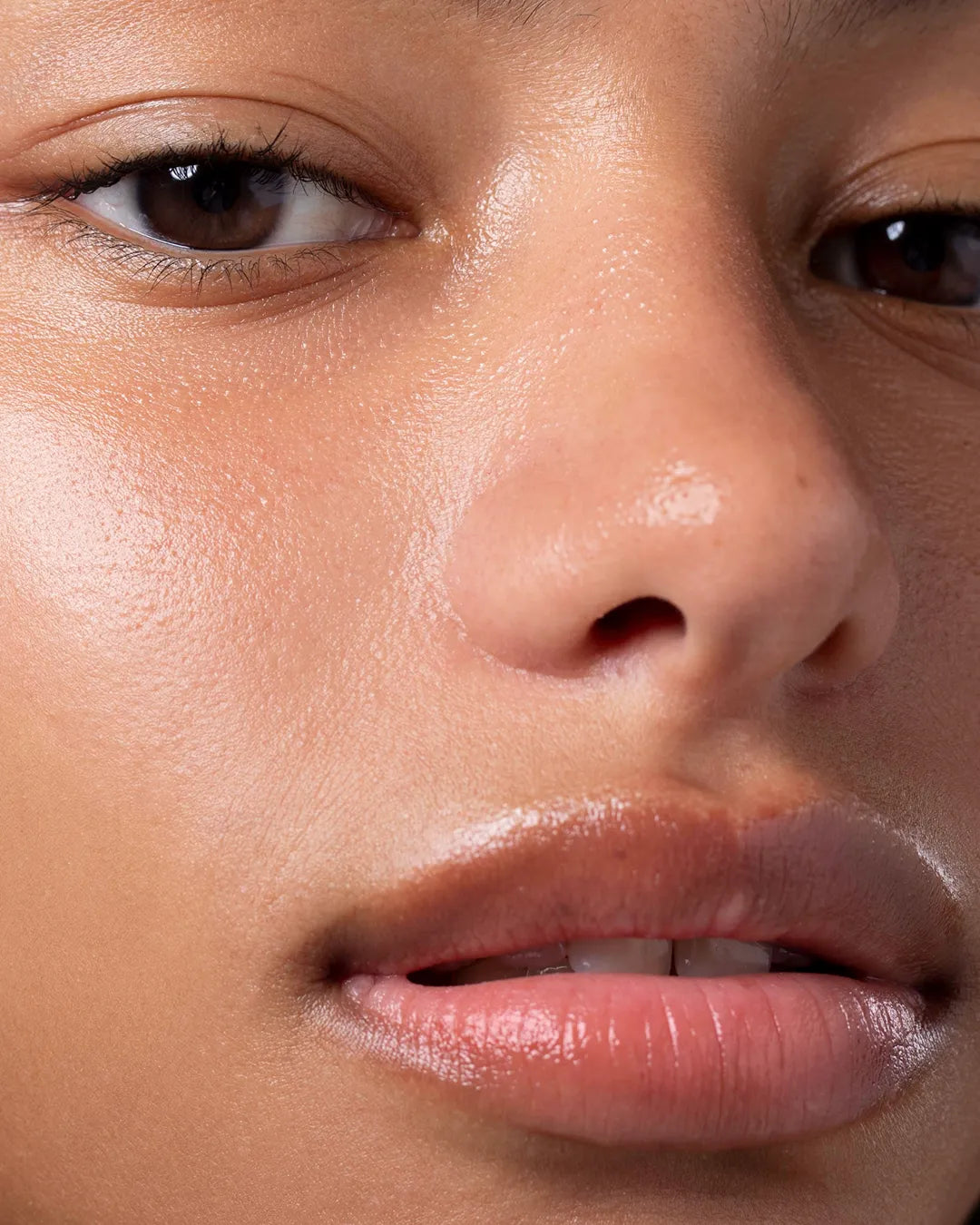
Hyaluronic acid in the nose: non-surgical rhinoplasty
Hyaluronic acid in the nose: non-surgical rhinoplasty
Hyaluronic acid treatment for the nose is the ideal medical-aesthetic alternative for those who wish to refine their facial profile, correct minor imperfections, and harmonize their face safely, quickly, and without the need for a surgical procedure.
As it is a compound naturally present in our body, this procedure offers a very natural finish adapted to each patient's facial features.
At Bloome, we understand facial aesthetics through proportionality, delicacy, and professional rigor, ensuring that each touch-up respects your essence. This treatment starts from €370.
What is hyaluronic acid in the nose?
The hyaluronic acid procedure for the nose (frequently called rhinoplasty or non-surgical rhinoplasty) consists of the strategic infiltration of this biocompatible and reabsorbable gel into very specific areas of the nasal structure. Learn about the non-surgical rhinoplasty treatment we offer at Bloome.
Unlike other invasive methods, hyaluronic acid allows for the molding of volumes, filling depressions, and optically modifying the nasal shape in just a few minutes, providing an aesthetic balance visible from the first moment.
What can be improved with hyaluronic acid non-surgical rhinoplasty?
Undergoing non-surgical nose reshaping with hyaluronic acid allows for addressing small asymmetries or imperfections in the nasal structure that affect the overall harmony of the face.
Correcting irregularities of the nasal bridge
Hyaluronic acid gel is applied to fill the space above or below the bony or cartilaginous prominence, softening the so-called "nasal hump" and achieving a straighter and more uniform line.
Improving nasal tip projection
Applied at the base or on the tip itself, the product helps to gently lift or project it, correcting the appearance of a drooping tip that often accentuates with age or facial expressions.
Harmonizing the profile and nasal asymmetries
It allows for compensating minor deviations and correcting congenital or secondary irregularities, integrating the nose in harmony with the chin, cheekbones, and forehead.
How is non-surgical nose reshaping with hyaluronic acid performed?
The medical application protocol is agile, comfortable, and performed directly in the consultation room.
Medical evaluation and facial profile analysis
Before starting, the medical team performs a detailed anatomical examination to analyze facial angles, study the skin, and confirm the suitability of the treatment based on each patient's structure.
Application of hyaluronic acid at strategic points
The area is disinfected, and if required, topical or local anesthesia is applied to ensure maximum comfort. Next, the doctor injects micro-quantities of high-density hyaluronic acid into the deep layers with a fine needle or cannula to achieve the desired shape.
Hyaluronic acid in the nose: before and after
When comparing a hyaluronic acid session for the nose before and after, the change is often surprising due to the immediacy and subtlety of the result.
When can the definitive result be assessed?
The first changes are noticeable immediately after leaving the consultation, and the visible result is consolidated after 15 days. It is considered completely definitive, with the product already integrated into the tissue structure, within 2-3 weeks.
Natural results adapted to each face
Bloome's goal is not to transform artificially, but to enhance natural beauty through precise, discreet, and imperceptible touch-ups to others.
Possible consequences of hyaluronic acid in the nose
As with any facial aesthetic medicine procedure, the side effects derived from this treatment must be explained with complete transparency.
Inflammation, redness, and small bruises
During the first 24 to 48 hours, it is perfectly normal to experience slight edema, mild redness, or small local bruises at the injection points.
Rare risks and warning signs
According to available clinical evidence, the nose is the facial area with the highest relative incidence of vascular complications within hyaluronic acid treatments, due to its complex network of arteries. Therefore, in the event of any intense and sudden pain, or an unusual change in skin color (marked pallor or a mottled tone) that appears during the session or in the minutes following, it is essential to notify the medical team immediately: prompt action is key. In a clinic with the appropriate protocol, this type of complication can be reversed with hyaluronidase.
The importance of consulting a qualified medical professional
To minimize any complications, it is essential to undergo this treatment with a specialized medical team that masters facial anatomy and applies the safest injection techniques.
Not sure if this treatment is for you? A personalized medical assessment will clear up your doubts.
Book your free assessment appointmentAftercare for non-surgical rhinoplasty with hyaluronic acid
To ensure proper product fixation and accelerate recovery, it is recommended to follow simple care guidelines:
- Avoid wearing glasses (prescription or sunglasses) that put weight on the nasal bridge for the first 10-14 days.
- Do not rub, press, or massage the nose.
- Avoid intense physical exercise, going to saunas, Turkish baths, or swimming pools during the first 48 hours.
- Sleep preferably on your back for the first few days after the treatment.
- Protect the area from direct solar radiation.
Discover the other facial treatments with hyaluronic acid that we offer at Bloome.
View facial treatments with hyaluronic acidReviews of hyaluronic acid in the nose
When consulting reviews about hyaluronic acid in the nose, the vast majority of patients highlight the immediacy of the changes and the absence of sick leave or complex recovery processes.
The importance of realistic expectations
It is crucial to remember that hyaluronic acid fillers modify the shape and conceal contours, but they do not reduce actual volume or solve problems of a deviated septum or breathing difficulties that require functional intervention.
Personalized assessment and medical follow-up
The degree of patient satisfaction at Bloome lies in the pre-assessment consultation and subsequent check-ups, where we ensure attentive monitoring of the result's evolution.
Non-surgical rhinoplasty with hyaluronic acid at Bloome, from €370.
View treatment and priceContent reviewed by the Bloome medical team: Dr. Álvaro Chaux (collegiate number 80861405), Dr. Tiago Gomes (collegiate number 44844), Dr. Santiago Elvira (collegiate number 49756), and Dr. María Costa. Last revision: August 20, 2026.

Rhinomodeling
- Regular price
-
€370,00 - Regular price
-
- Sale price
-
€370,00


Other Hyaluronic Acid treatments that may interest you
 }}
}}Do you have questions? We will resolve them for you.
How long does hyaluronic acid last in the nose?
How long does the swelling go down after a non-surgical rhinoplasty?
When are the final results of hyaluronic acid in the nose seen?
What should you not do after a rhinoplasty?
Can hyaluronic acid make your nose look smaller?
Is rhinoplasty with hyaluronic acid reversible?
Who can perform a rhinoplasty with hyaluronic acid?
Médicos especialistas que realizan este tratamiento


Discover more treatments
-
Dermapen | Microneedling
 Dermapen | Microneedling
- Regular price
-
€95,00 €165,00 - Regular price
-
- Sale price
-
€95,00 €165,00
Quick view
-
Skinbooster
 Skinbooster
- Regular price
-
€200,00 €500,00 - Regular price
-
- Sale price
-
€200,00 €500,00
Quick view
-
Dark circle filler
 Dark circle filler
- Regular price
-
€360,00 €660,00 - Regular price
-
- Sale price
-
€360,00 €660,00
Quick view


