

Upper face Botox
Upper face Botox
Upper face botox is one of the most popular treatments to naturally soften expression lines.
At Bloome, aesthetic medicine is approached with a medical, personalized, and non-surgical focus, as part of an offering centered on improving facial well-being and naturalness.
What is botox in the upper third of the face?
What is meant by the upper facial third in aesthetic medicine?
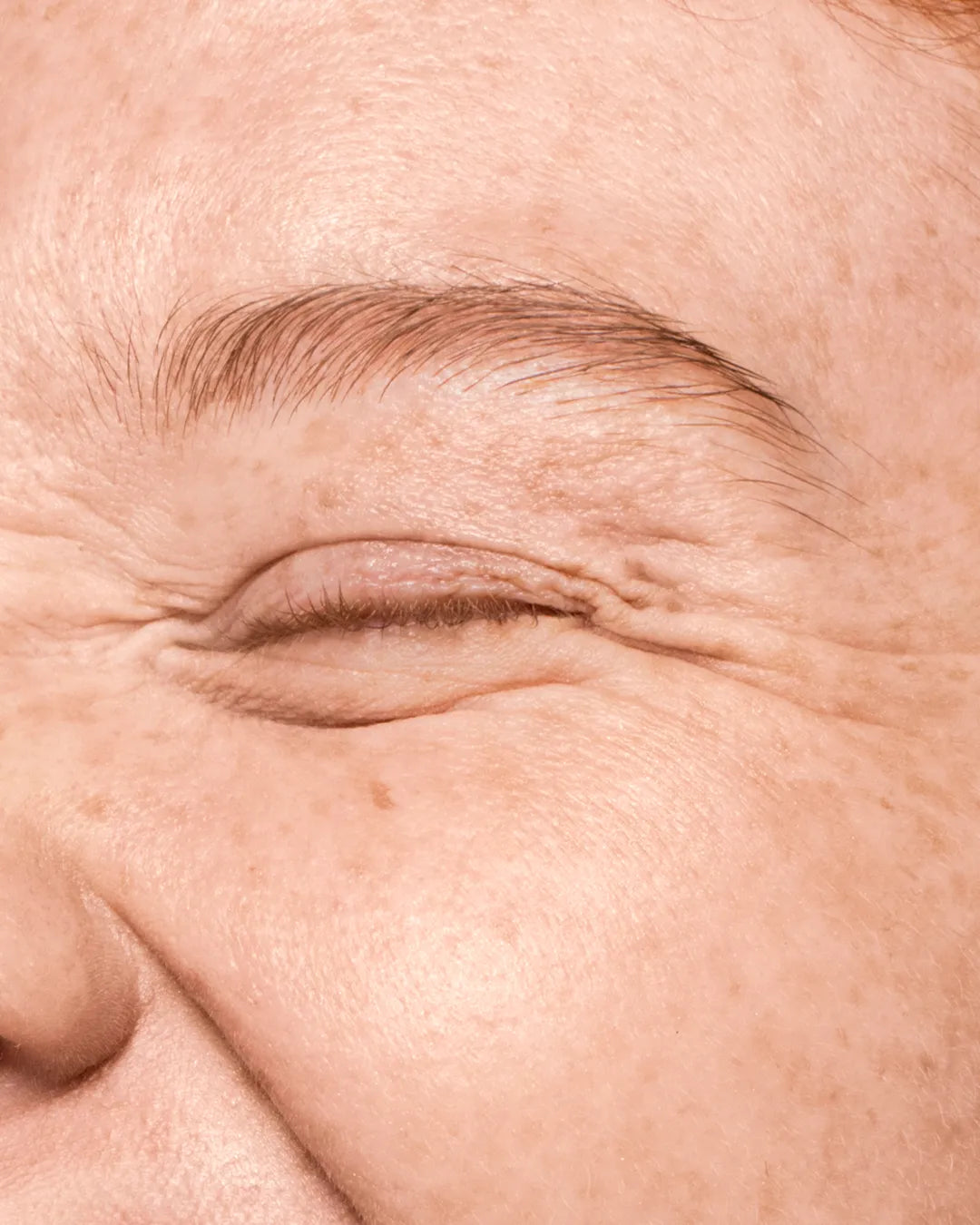
The upper facial third includes the forehead, frown lines, and crow's feet. These are areas where the skin moves a lot when gesturing, and over time, more visible lines can form.
Botulinum toxin type A is commonly used in this area, and the application points vary depending on each patient's anatomy and muscle strength.
How botox in the upper third works to soften expression lines
It acts by temporarily relaxing certain facial muscles by blocking the release of acetylcholine at the nerve-muscle junction. This reduces excessive contraction and softens expression lines.
You can also learn about the processes of botox for frown lines, botox for crow's feet, botox for lips, botox for gummy smile, botox for eyebrow lift, botox for under-eye bags, botox for nasolabial folds, or all our botox facial treatments. Also botox for men.
Areas treated with botox in the upper third
Botox for forehead, frown lines, and crow's feet
The regulated indications include frown lines, crow's feet, and forehead lines when they are moderate or pronounced. These are the classic areas for botox in the upper third of the face.
Botox application in the upper third according to facial anatomy
There is no identical guideline for everyone. The application of upper third botox must be adapted to facial symmetry, eyebrow position, muscle strength, and wrinkle type to avoid artificial results.
Benefits of botox in the upper third
Soften wrinkles without losing natural expression
The goal is to relax the expression, not erase the face. A good treatment seeks a discreet and harmonious result.
Improve the appearance of the gaze and facial expression
By relaxing specific muscles, the gaze can look fresher and the face less tired. This always depends on individual medical assessment.
Prevention of dynamic wrinkles in the upper third of the face
It can also help certain dynamic lines become less pronounced over time, especially when treated in a planned and conservative manner.
Upper third botox application: how it's done
Personalized medical assessment before treatment
Before treatment, the doctor reviews medical history, facial expressions, symmetries, and expectations. In addition, botulinum toxin medications for these indications must be administered by qualified and experienced professionals.
Botox application points in the upper third
The points are decided according to the area and muscle pattern. For glabellar lines, for example, technical datasheets describe specific injection schemes, but always subject to medical discretion.
How treatment is planned to achieve natural results
The key is to adjust dosage and distribution. Units are not interchangeable between products, so the plan must be made with medical rigor.
Upper third botox before and after
What to assess before treatment: wrinkles, expression, and facial symmetry
In an upper third botox before and after, the important thing is not just the photo. One must assess how the face moves, whether asymmetry exists, and what wrinkles appear at rest or when gesturing.
Typical results after botox in the upper third
Typically, the skin looks smoother and the expression more relaxed, without losing naturalness when the treatment is well-indicated. Results vary for each patient.
When do the results of botox in the upper third appear?
First visible changes between 3 and 5 days
Improvement usually begins within the first few days; many sources place the initial changes between 3 and 7 days.
Definitive result between 10 and 14 days
The effect gradually settles and is usually best assessed at 10-14 days, the usual time to review the clinical result. This is a reasonable clinical inference from the progressive onset and peak effect described in technical datasheets.
How long does the effect of botox in the upper third last?
Generally, the effect lasts around 3 to 4 months, though it may vary. Treatment intervals should not be less than 3 months.
Price of botox in the upper third
Upper third botox price: factors that influence it
The price of upper third botox depends on the area, the dosage, and the medical plan. At Bloome, the "Expression Wrinkles" treatment starts from €330, and the brand also offers related expression line packages.
Medical assessment and necessary dosage for each patient
That's why it's not wise to focus only on the price. The important thing is that the dosage is appropriate for your face and your goals.
Care after botox in the upper third
What to avoid after botox application
After the treatment, the doctor may give you simple guidelines to protect the treated area and reduce the risk of small bruises or local discomfort.
Recommendations for maintaining natural results
It is best to follow your doctor's instructions and review the results when indicated.
Risks and side effects of botox in the upper third
Like any medical procedure, it can cause adverse effects. The most commonly described are discomfort at the injection site, small bruises, headache, and, less frequently, temporary eyelid or eyebrow drooping and transient asymmetries.
Properly indicated upper third botox can soften wrinkles, refresh the gaze, and maintain natural expression. In a medical setting like Bloome, the value lies in personalizing the treatment and prioritizing discreet, safe, and natural-looking results that match your face.
Tratamientos en pacientes reales

Antes y después de bótox para sonrisa gingival

Antes y después neuromoduladores tercio superior facial

Antes y después de bótox para rejuvenecer la mirada

Antes y después de bótox en frente y mirada

Antes y después de bótox en frente con líneas horizontales

Antes y después de bótox en frente para arrugas de expresión

Antes y después de bótox en entrecejo

Antes y después de bótox en frente y entrecejo


expression wrinkles
- Regular price
-
€330,00 - Regular price
-
- Sale price
-
€330,00


Other botox treatments you might be interested in:
 }}
}}Do you have questions? We will resolve them for you.
What areas does the upper third of the face include?
When do the results of Botox become visible in the upper third of the face?
How long does the effect of Botox last in the upper third of the face?
Can the eyelid droop after Botox in the upper third of the face?
Médicos especialistas que realizan este tratamiento

Dr. Álvaro Chaux
Especialista médico estético y armonización facial
Nº de colegiado: 80861405
Conoce Álvaro Chaux

Dr. Santiago Elvira
Cirujano Plástico, Estético y Reparador
Nº de colegiado: 49756
Conoce Santiago Elvira
Discover more treatments
-
expression wrinkles
 expression wrinkles
- Regular price
-
€330,00 - Regular price
-
- Sale price
-
€330,00
Quick view
-
Facial Mesotherapy
 Facial Mesotherapy
- Regular price
-
From
€120,00 - Regular price
-
€169,00 - Sale price
-
From
€120,00
Quick view
-
Dermapen | Microneedling
 Dermapen | Microneedling
- Regular price
-
€95,00 €165,00 - Regular price
-
- Sale price
-
€95,00 €165,00
Quick view


